 Guide to the Azores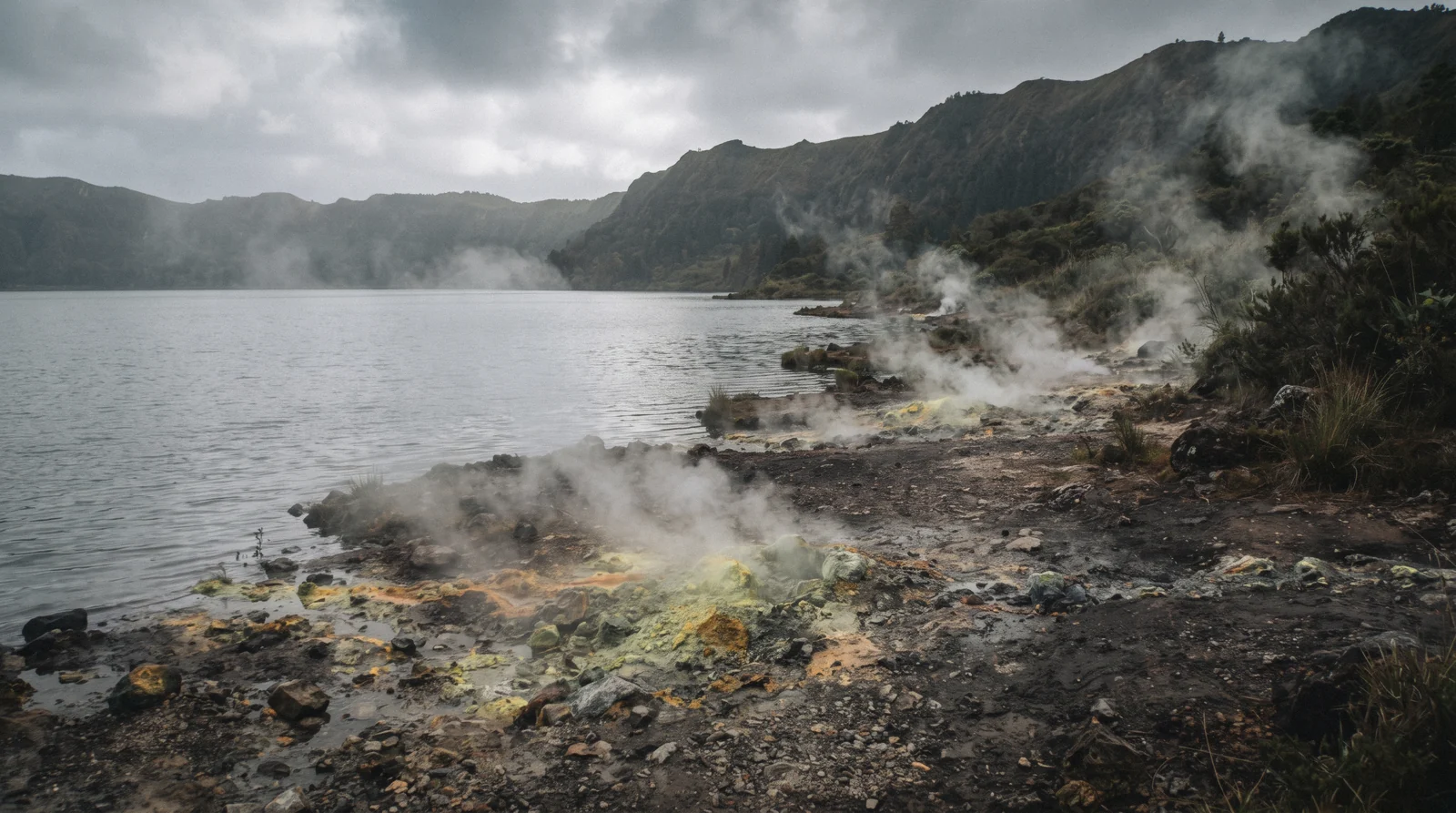
Azores Food: What To Eat In The Azores
Azores food is shaped by volcanic ground and ocean, and its four signatures all carry hard facts. Cozido das Furnas is the stew tradition of the Furnas caldeiras on São Miguel. Pineapple under the PGI Ananás dos Açores seal grows only on São Miguel. Tea has been produced at Gorreana since 1883, and Pico's vineyard landscape has been UNESCO-listed since 2004. This guide prints what official sources publish, flags what they do not, and shows where to taste each speciality, from a cozido cooking class to the where-to-eat shortlist of venues with published hours. All of it sits inside the Guide to the Azores.
Quick answer The four signature foods, where to taste them, what they cost
Azores food rests on four verifiable signatures. Cozido das Furnas belongs to the fumarole fields on the shore of Lagoa das Furnas, though no official source states its cooking hours. PGI Ananás dos Açores pineapple grows only on São Miguel, and both plantations are free. Gorreana has made tea since 1883 with free visits, and the Pico vineyard landscape has been a UNESCO World Heritage site since 2004.
Key takeaways
- The dish can be learned hands-on: the Octant Furnas cozido cooking class costs $113.64 and follows the process from the beginning.
- For venues rather than dishes, the where-to-eat guide lists the market, kiosks and bars with published hours, including the Ponta Delgada food tour at $114.79.
- Wine country is a separate trip: the Pico vineyards are reached by flight or by the Faial-Pico-São Jorge ferry triangle, never by ferry from São Miguel.
The Four Signature Foods And What Is On Record
Most food writing about the Azores repeats figures nobody can source. This table separates the four signature foods into what official pages confirm, where you can taste each one, and which prices are actually published, so the gaps are visible instead of papered over.
| Food | The verified fact | Where to taste it | Published prices |
|---|---|---|---|
| Cozido das Furnas | No official source publishes who cooks it, at what depth or for how long, and the 6-7 hours figure circulates only on media pages. The fumarole fields themselves are on the official trail record. | The caldeiras fields in Furnas on the PRC06SMI trail, or hands-on in the Octant cozido class | No official price list for a cozido meal exists. Class prices come from the operator only |
| Pineapple (PGI Ananás dos Açores) | The PGI seal applies to fruit grown only on São Miguel, and both greenhouses admit visitors for free. | Arruda in Fajã de Baixo, with a kiosk and free liqueur tasting, and Boa Fruta in Ponta Delgada | Entry free at both, tasting free, kiosk items priced on site |
| Tea | Gorreana has produced tea since 1883, calls itself the oldest tea plantation in Europe, and is run by the 5th family generation. | The self-guided circuit at Gorreana in Maia, through named production rooms to the tea bar | Visits and tastings free, no reservation |
| Pico wine | The vineyard landscape has been a UNESCO World Heritage site since 2004, inscribed under criteria (iii) and (v), 987 ha plus a 1,924 ha buffer zone, with vines in basalt-walled currais. | Criação Velha and Santa Luzia on Pico, the named best examples of the currais | The Museu do Vinho do Pico publishes no hours or entry price on any official page |
Where an official page says nothing, this page says nothing beyond it. Figures in Q3 2026. Conversions use €1 = $1.146.
Cozido Das Furnas, The Dish Cooked By Volcanic Ground
The dish that names the valley belongs to a real, mapped geothermal area, and the official record describes the ground even where it stays silent on the cooking.
Where The Ground Does The Cooking
Cozido das Furnas belongs to the Caldeiras da Lagoa das Furnas, a zone of secondary volcanism on the lake shore where fumarole fields steam out of the ground. This is not folklore. The official trail record for São Miguel describes exactly this area on the PRC06SMI Lagoa das Furnas trail, an easy circular route of 9.5 km timed at 3 hours, which passes the caldeiras and their fumarolic fields.
The Miradouro do Pico do Ferro looks down over the whole Furnas protected landscape, including the lake's fumaroles and caldeiras, so you can watch the steam rise before walking in. The operators sell the dish exactly as the geology makes it: the full-day Furnas volcano and tea tour promises the famous local stew cooked in the volcanic soil. The Furnas guide covers the valley around the fields, including Parque Terra Nostra with its iron-rich thermal tank.
| Feature | What the official record states |
|---|---|
| Caldeiras da Lagoa das Furnas | Secondary volcanism area with fumarolic fields on the lake shore |
| PRC06SMI Lagoa das Furnas trail | Easy circular, 9.5 km, 3 hours, passes the caldeiras |
| Miradouro do Pico do Ferro | Official viewpoint over the Furnas protected landscape and its fumaroles |
The Cooking Facts Nobody Officially Publishes
Here is the honest part. No official source publishes who cooks cozido das Furnas, at what depth the pots sit, or how many hours the ground needs. Not the regional government parks network, not the tourism portal, not the official visitor site.
The figure repeated everywhere, that the stew cooks buried for 6-7 hours, circulates only on media and blog pages, and this guide treats it as what it is: unofficial. That does not make it wrong, it makes it unverifiable from the record, and the same applies to every anecdote about pot counts and family holes. If a restaurant or hotel tells you a figure in person, treat it as their own account.
The cozido class follows the process from the beginning, which is the closest you can get to a sourced answer, because you watch it happen.
Where The Money Figures Actually Are
The only cozido figures with published prices are the paid experiences, not restaurant meals. No official price list for a cozido lunch exists anywhere in the record, so any per-plate number you see elsewhere is an estimate at best. What is verifiable: the cooking classes at the Octant Furnas Hotel, the full-day tour that includes the stew at lunch, and the fact that the fumarole fields themselves carry no fee on the official record.
If you want the class with a thermal soak afterwards, the combined option covers both in one booking. The wider money picture, including the Terra Nostra entry at $19.48 (€17) that pairs with a Furnas day, is on Azores costs.
| Experience | Price | On record |
|---|---|---|
| Octant cozido cooking class | $113.64 | Follows the process from the beginning |
| Class plus thermal circuit | $149.23 | Class and thermal bathing combined |
| Furnas Volcano and Tea Plantation tour with lunch | $91.83 | 8 hours, rated 4.9 from 518 reviews, stew at lunch |
| Caldeiras fumarole fields | Free | PRC06SMI trail carries no fee on the official record |
All three lines come from the regional parks network pages for São Miguel. Experience prices are operator listings, not government figures.
The Pineapple That Grows Only Here
One fruit on these islands carries a European protected seal, and the seal pins it to a single island.
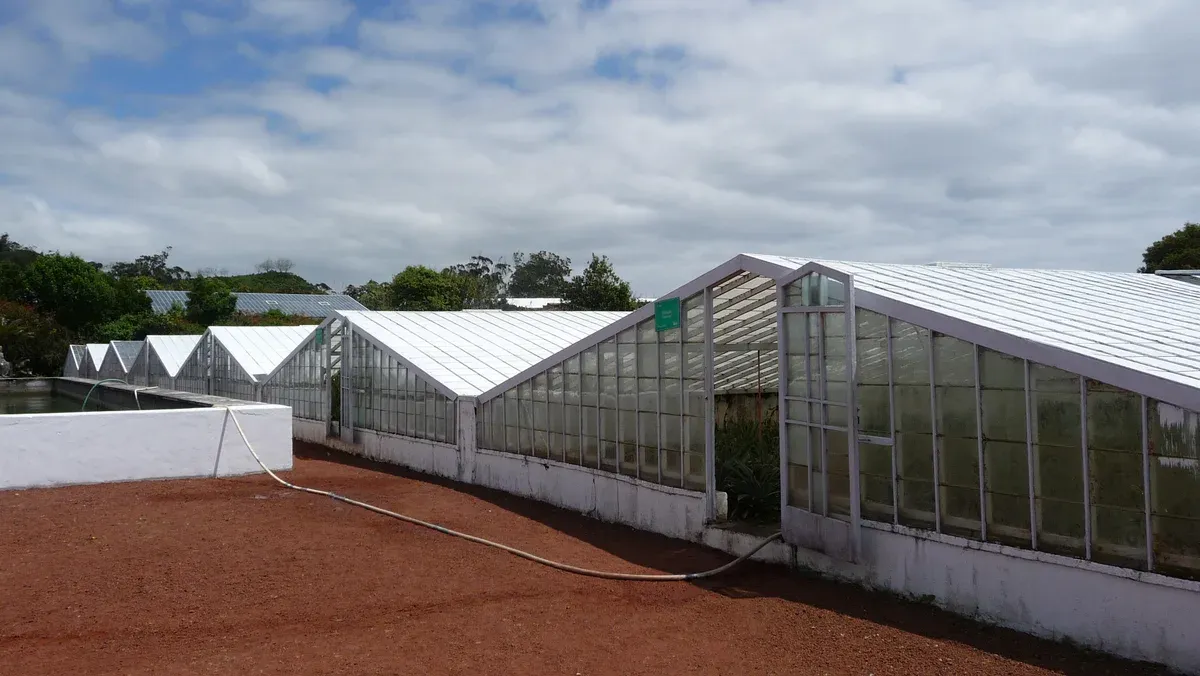
The Arruda greenhouses in Fajã de Baixo, free to walk, PGI fruit only on São Miguel. Photo: JopkeB, CC BY-SA 4.0, via Wikimedia Commons
A PGI Fruit With One Island
The Ananás dos Açores pineapple carries a PGI, a protected geographical indication, and both plantation sites state plainly that the fruit is produced only on São Miguel. That single fact settles a common planning mistake: the pineapple stops are a São Miguel activity, not an archipelago one, and both sit in or beside the capital rather than in the wilds. Both are working greenhouses, which is why visits follow the real growth phases of the fruit, and both are free.
At Ananases Augusto Arruda the tour moves through every stage from planting to the fruiting plants, and the gift shop pours free tastings of the house pineapple liqueur. The kiosk outside sells pineapple juice, cake and cocktails, priced on site, with no published price list online.
| Greenhouse | Address on record | Visit | Contact |
|---|---|---|---|
| Ananases Augusto Arruda | Rua Dr. Augusto Arruda, 9500-454 Fajã de Baixo | Free, follows all growth phases, kiosk and liqueur tasting | +351 296 384 438 |
| Plantação de Ananás dos Açores (Boa Fruta) | Rua das Laranjeiras, 9500-317 Ponta Delgada | Free, self-guided circuit with panels and QR codes, bar and shop | +351 964 087 745 |
Arruda Hours And The Boa Fruta Gap
Arruda publishes its opening hours openly and opens every day, shifting with the seasons. Boa Fruta is the opposite: its official site confirms the free self-guided visits but states no opening hours at all, so treat any times found elsewhere as unverified and go in ordinary daytime hours. The table below is the complete published Arruda schedule.
| Season | Daily hours |
|---|---|
| April to September | 09:00-20:00 |
| October | 09:00-19:00 |
| November to March | 09:00-18:00 |
Both sites confirm the PGI fruit is produced only on São Miguel. Arruda opens every day on the published contacts page, with the season switching in April and November.
Tea In Europe, Since 1883
Europe's oldest tea claim belongs to a family plantation on the north coast of São Miguel, and it lets you walk the factory for nothing.
The Free Factory Walk At Gorreana
Gorreana, at Maia on São Miguel's north coast, has produced tea since 1883 and calls itself the oldest tea plantation in Europe, run today by the 5th generation of the family. What makes it remarkable for a food traveller is the access: visits and tea tastings are free and need no reservation, and you may walk the plantations freely. The self-guided circuit runs through the named production rooms, and the factory lists them exactly: the withering room, the rolling room, the oxidation room, the sterilisation room, the drying room, the sorting room and the packing room, plus a museum room, the shop and the tea bar where the tastings happen.
The address on record is Plantações de Chá Gorreana, 9625-304 Maia, with the telephone line +351 296 442 349 for anything you need to confirm. The deeper visit detail is in Gorreana.
What The Site Does Not Say
One gap matters before you drive out: no opening hours are published anywhere on gorreana.pt. The homepage, the visit page and the FAQ carry no hours table, and there is no statement about which days the machines actually run, so any weekday-versus-weekend claim you read is unverified. The site also claims organic certification, which is the company's own statement rather than an independently checked record.
Plan the stop inside a north coast day with the Ribeira Grande viewpoints, keep it to daylight, and let the tasting room be the fixed point of the visit.
Wine Grown In Basalt Walls
The wine signature is not a single glass but a whole protected landscape on Pico, stones and all.
A UNESCO Landscape Built Stone By Stone
The Landscape of the Pico Island Vineyard Culture became a UNESCO World Heritage site in 2004, inscribed under criteria (iii) and (v) as an outstanding example of the adaptation of farming practices to a remote and challenging environment. The property covers 987 ha with a buffer zone of 1,924 ha. The signature feature is the currais, squares delimited by basalt walls where the grapevines grow, built from stone cleared off the lava fields, and the cleared piles have their own name, maroiços.
The official island material also names the lajidos, the lava pavements, the rilheiras, the ruts worn by cattle wagons carrying barrels, and the rola-pipas, the stone slides that moved barrels down to the shore. Criação Velha and Santa Luzia are named as the best examples of the currais landscape. The island logistics are on Pico Island.
| Feature | What it is |
|---|---|
| Currais | Squares delimited by basalt walls where the grapevines grow |
| Maroiços | Piles of rocks cleared from the fields |
| Lajidos | The lava pavements the vineyards sit on |
| Rilheiras | Ruts worn by cattle wagons carrying barrels |
| Rola-pipas | Stone slides used to move barrels down to the shore |
What Is Not Published, And Getting There
Two honest gaps. First, the Museu do Vinho do Pico in Madalena publishes no hours or entry price on any official page, so there is no timetable to plan against. Second, Pico takes planning, because of the ferry rule: Atlânticoline serves no São Miguel port, and its network crosses only the Faial-Pico-São Jorge triangle, with Pico ports at Madalena and Cais do Pico.
The standard routes are a flight from Ponta Delgada to Pico, or a flight or ferry to Faial first and a triangle hop across. Static crossing times and per-route fares are not published, the ferry site runs a dynamic search only, so price the hop inside the booking engine rather than on a fare page.
All five terms are named on the official Visit Azores Pico page.
Clams From A Fajã Lagoon
The strangest address in Azores food is a lagoon on a collapsed coastal platform, reached on foot.
The Lagoon And Its Trail
The lagoon of Caldeira de Santo Cristo on São Jorge is a protected landscape, classified as a place of cultural and scenic interest, and it is known above all for its clams. The official trail record also calls it a surf and bodyboard sanctuary and a habitat for resident and migrant birds. The fajãs themselves are one of the archipelago's distinctive volcanic features, detrital coastal platforms, several with coastal lagoons.
You reach the lagoon on the PR01SJO trail, Serra do Topo to Caldeira de Santo Cristo to Fajã dos Cubres: 9.3 km, average time 2h30, difficulty medium, linear, and listed as active with no closure alert on the official page. There is no published price list for a clam meal anywhere, so treat any figure you read as an estimate and order what the fajã actually has. São Jorge's ferry ports are Velas and Calheta, both on the triangle only, so the trip combines naturally with a Pico or Faial stay, and the island plan is in São Jorge.
The Market That Anchors It
One building shows you what islanders actually buy, and the municipality publishes its details in full.
Mercado Da Graça, Since 1848
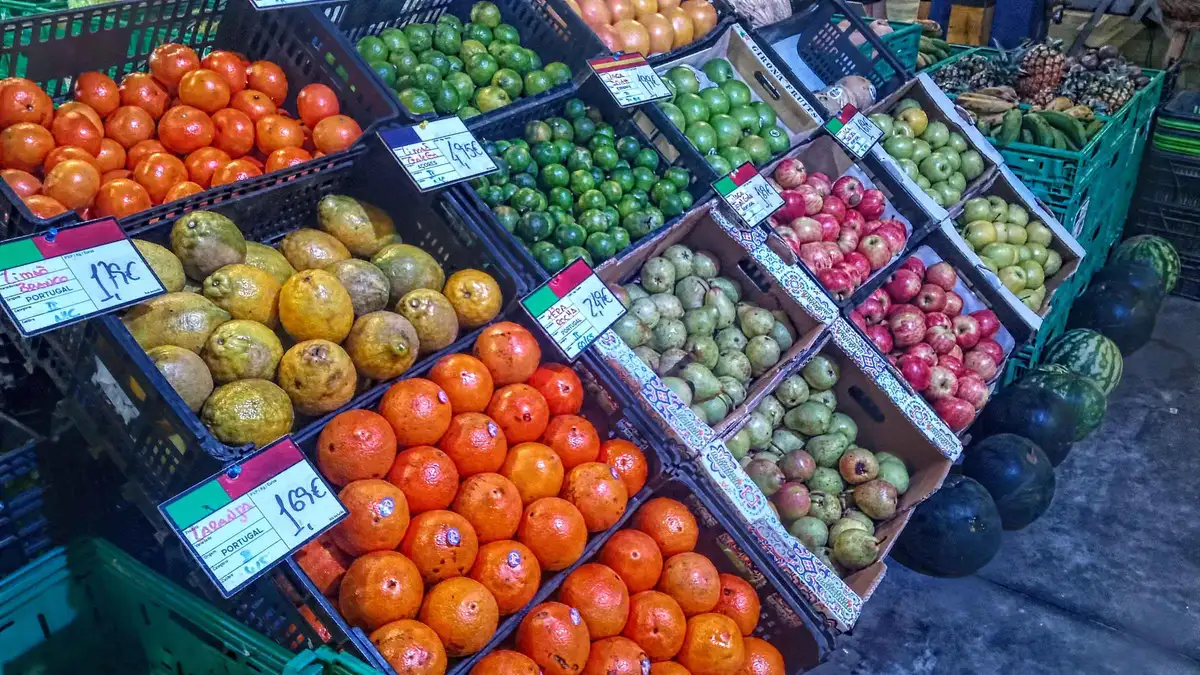
The Mercado da Graça on Rua do Mercado in Ponta Delgada is the municipal market, recorded by the city council as built in 1848, and it is the single best orientation stop for what is in season. The council publishes its contacts and its hours, including a holiday rule that catches visitors: on public holidays falling on a Friday or Saturday the market opens 07:00-14:00, and on holidays falling Monday to Thursday it stays closed. The published weekly schedule is below, and the venue-level details, from the holiday rule to the phone line, sit in the where-to-eat guide.
| Day | Hours |
|---|---|
| Monday to Wednesday | 07:30-18:30 |
| Thursday | 07:30-19:00 |
| Friday | 07:00-19:00 |
| Saturday | 07:00-14:00 |
| Sunday | Closed |
Holiday rule: public holidays on Friday or Saturday open 07:00-14:00, holidays Monday to Thursday closed.
What Eating Costs, As Far As The Record Goes
The cost question has one honest answer and two verifiable numbers, and they are worth more than a made-up average.
Tax, The One Verifiable Cost Factor
Nobody publishes official restaurant prices in Portugal, so this page will not pretend otherwise, and no official price list for meals exists anywhere. What the record does establish is the tax environment, and it favours the Azores. VAT in the region runs at 4% reduced, 9% intermediate and 16% normal since mid-2021, against mainland rates of 6%, 13% and 23%.
On top of accommodation, Ponta Delgada charges a tourist tax of $2.29 (€2) per guest per night, capped at 3 nights, for guests aged 13 and over, in force since the start of 2025. The full money picture is on Azores costs, and if you prefer spending fixed in advance, the Fat Dolphin food tour bundles several Ponta Delgada tastings into one $114.79 ticket.
| Rate band | Azores | Mainland Portugal |
|---|---|---|
| Reduced | 4% | 6% |
| Intermediate | 9% | 13% |
| Normal | 16% | 23% |
Azores rates in force since mid-2021, mainland rates for comparison. Tourist tax: $2.29 (€2) per night, maximum 3 nights, ages 13 and over, Ponta Delgada only.
Cheese, Sweets And What The Blogs Claim
This is the section where most food guides invent comfortably, and where this one stops.
Where The Record Stops
Ask anyone what to eat in the Azores and the list runs quickly to cheeses and pastries, and the names circulating online are plausible and widely repeated. Here is the problem: the official record behind this page contains no verified figures for Azorean cheese, no published facts about regional sweets, and no authoritative descriptions of festival menus. Blogs fill that silence with specific claims, from ageing periods to secret recipes, and this page will not print those names and numbers as fact when no official source stands behind them.
What can be said with confidence is the frame around the plate: the VAT rates above apply to every cheese board and pastry, the Mercado da Graça is where islanders buy them, and the plantations and tea house confirm what is genuinely local.
The Same Honesty About Meal Times
The negative findings extend to timing. No official source records when Azoreans eat breakfast, lunch or dinner, so any confident statement about islanders dining late is hearsay dressed up as fact. What is verifiable is operational: the Mercado da Graça opens its doors at 07:30 on weekdays, Poça da Dona Beija takes its last entry at 21:30 in Furnas, and Peter Café Sport in Horta pours from 09:00.
Those published hours sketch the rhythm of the day better than folklore does. In practice kitchens in the tourist towns keep evening hours, but that is observation, not record, so check each venue's own stated times in the where-to-eat guide.
Eating Island By Island
Azores food geography follows the transport rule, and the transport rule is unforgiving.
The Nine-Island Rule Applied To Food
The nine islands have no ferry loop joining them, and the eating map follows. Ferries serve only the Faial-Pico-São Jorge triangle, with ports at Horta and Madalena and Cais do Pico and Velas and Calheta, and Atlânticoline lists no Ponta Delgada port at all, so every other inter-island move is a SATA or Azores Airlines flight. Concretely: Pico wine needs a flight from São Miguel, or the triangle via Faial with a ferry hop.
São Jorge clams need the same triangle logic, a ferry to Velas or Calheta and then the PR01SJO trail. Everything else concentrates on São Miguel, which holds the cozido caldeiras at Furnas, both PGI pineapple plantations, the Gorreana tea fields and the Mercado da Graça, all reachable from Ponta Delgada without a plane. A sensible pattern is a São Miguel base for the stew, pineapple and tea, then a triangle trip for wine and clams, and the routes are in the islands and getting around guides.
| Food | Island | How you get there |
|---|---|---|
| Cozido das Furnas | São Miguel | Road from Ponta Delgada, or a guided day tour |
| PGI pineapple | São Miguel only | In and beside Ponta Delgada, no plane needed |
| Tea since 1883 | São Miguel | North coast by road |
| UNESCO wine landscape | Pico | Flight from São Miguel, or triangle ferry via Faial |
| Santo Cristo clams | São Jorge | Triangle ferry to Velas or Calheta, then the PR01SJO trail |
The ferry ports named are from the Atlânticoline network list, which includes no São Miguel port.
Taste It With A Guide
Four food-led experiences, all with published prices, durations and review counts from the operator listings.
 from $114.79
Small group
from $114.79
Small group Ponta Delgada: Fat Dolphin Food Tours
A three-hour small-group food walk through Ponta Delgada capped at six, covering the market, Azorean pineapple, artisanal cheese and a regional restaurant lunch. The operator lists the tour as unsuitable for vegans, vegetarians and the lactose intolerant. Good for food-first travelers who want depth and conversation rather than a sampler sprint.
Check Availability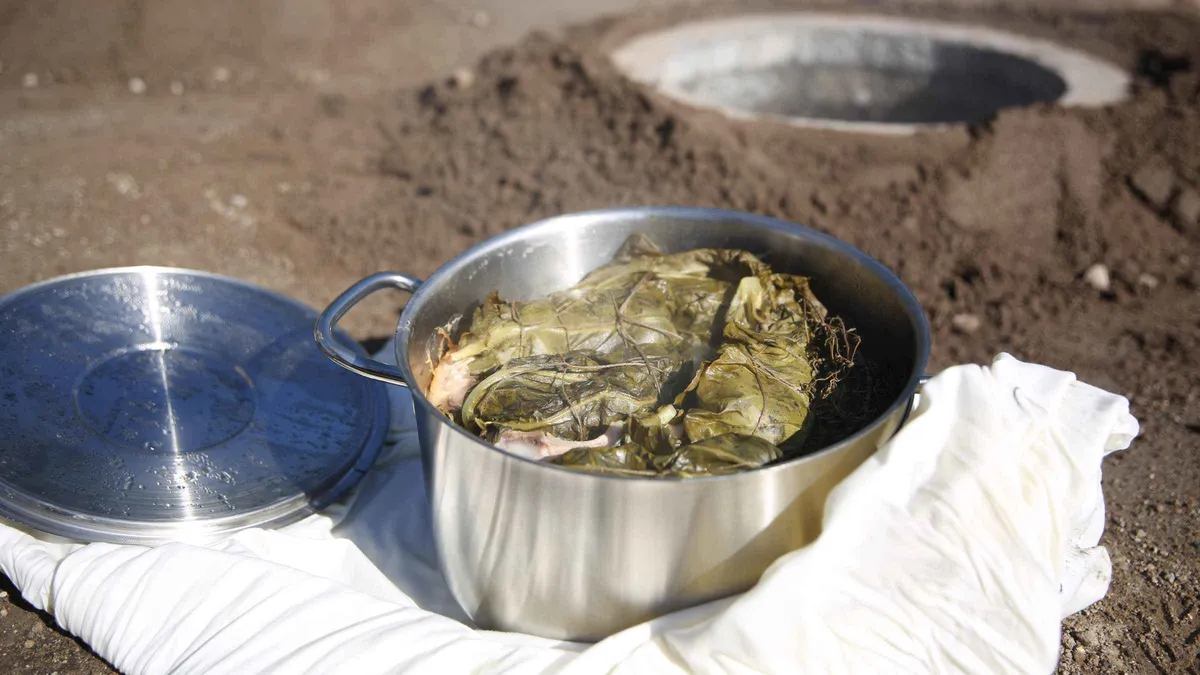 from $113.64
Small group
from $113.64
Small group Octant Furnas Hotel: Cozido das Furnas cooking class
A 2.5-hour cooking class at the Octant Furnas hotel that follows cozido das Furnas from pot to pit, ending with the stew pulled steaming from the volcanic ground and dinner at the hotel's restaurant. Admission to Furnas Lake is part of the experience and the class is wheelchair accessible, capped at six. Good for food travelers who want the ritual of the dish explained by the people who cook it.
Check Availability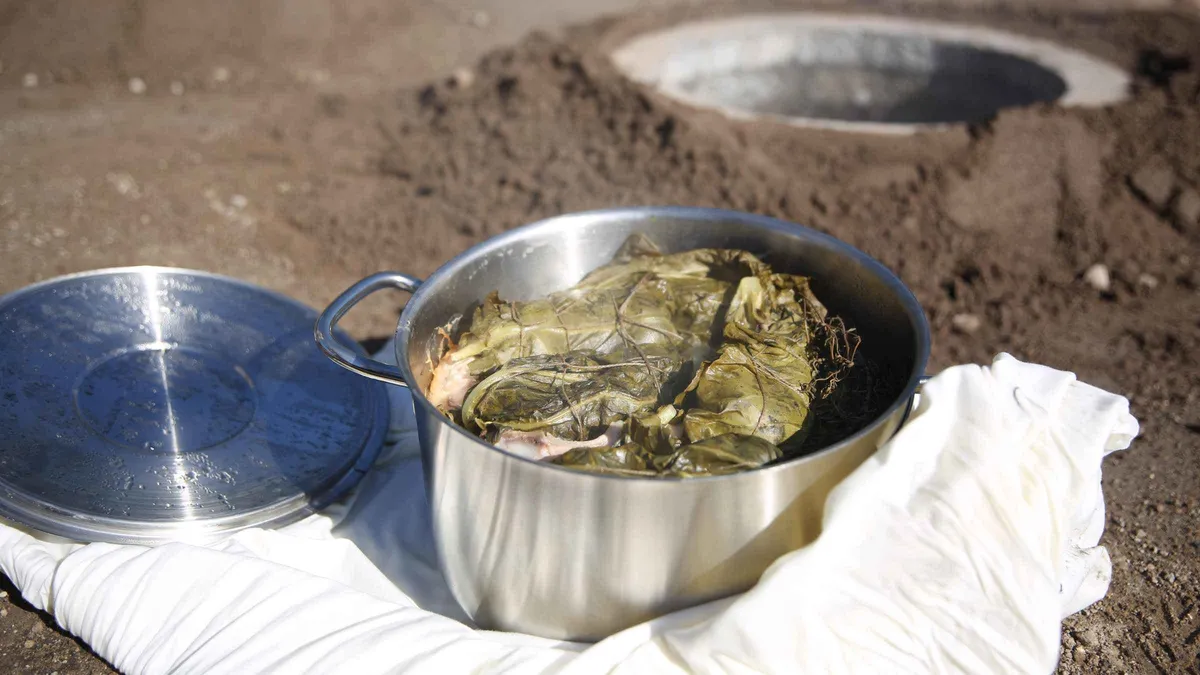 from $149.23
Small group
from $149.23
Small group Octant Furnas Hotel: Make Cozido das Furnas with Your Own Hands! + thermal circuit
The same cozido cooking experience as its sibling class, with the addition of access to the hotel's hot springs pools and spa circuit afterward. Admission to Furnas Lake is part of the experience and the class is wheelchair accessible, capped at six. Good for travelers who want the cooking class and a thermal soak in one booking.
Check Availability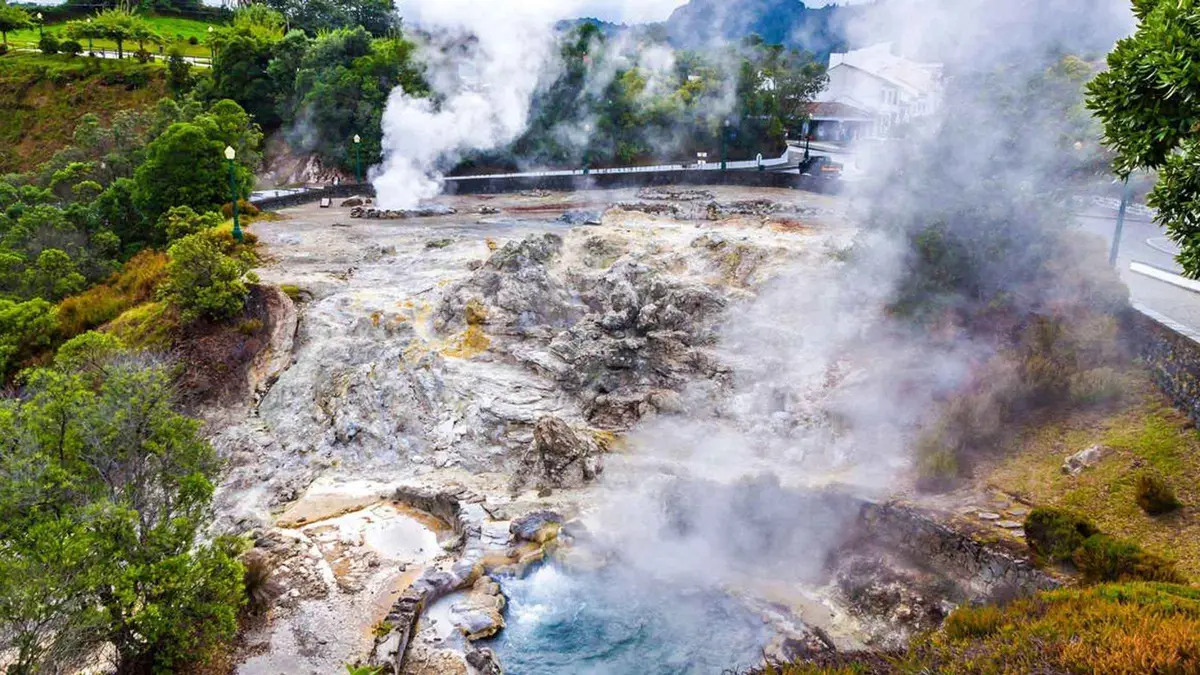 from $91.83
Small group
from $91.83
Small group São Miguel: Furnas Volcano & Tea Plantation Tour with Lunch
A full-day Furnas tour with a certified guide that adds Europe's oldest tea plantation and a taste of cozido cooked by volcanic heat, with the Terra Nostra Garden and thermal pools entrance fee covered. Groups are capped at eight and hotel pickup is included. Good for travelers who want the classic Furnas day with food and tea built in.
Check AvailabilityPrices, ratings and details are the platform's own. dollar figures are the listed prices — the platform bills in your account's currency.
Keep Planning
Where To Eat
The venues with published hours: the market, the kiosks, the sailor bar and the food tour.
Furnas
The caldeiras, thermal pools and gardens of the stew valley.
Azores Costs
VAT, tourist tax and daily budgets built from sourced figures.
Plan Your Trip
Flights, ferries, timing and the itinerary pages.
Azores Food Questions
What food are the Azores known for?
Four signatures carry real records: cozido das Furnas cooked by volcanic ground, PGI pineapple grown only on São Miguel, Gorreana tea produced since 1883, and Pico wine from the UNESCO vineyard landscape. The signature foods table above sources each one, and the Furnas volcano and tea tour tastes two of them in a day.
What do Azoreans eat for breakfast?
No official source records Azorean breakfast customs, so this page will not invent an answer. What the record shows is the market schedule: the Mercado da Graça opens at 07:30 on Monday to Thursday, 07:00 on Friday, and the morning market is where islanders buy their supplies. The venue detail is in the where-to-eat guide.
What time do people eat dinner in the Azores?
The sources behind this guide contain no official record of Azorean dinner times, so any specific hour would be hearsay. Kitchens in the tourist towns generally keep evening hours, but that is observation, not record, and each venue's own times belong in the where-to-eat guide.
Is food in Azores expensive?
No official price list for meals exists anywhere, so nobody can honestly quote a per-plate average. What is verifiable: VAT in the Azores runs at 4%, 9% and 16%, below the mainland's 6%, 13% and 23%, per the costs page, and published food experiences range from the tour with lunch at $91.83 to the Fat Dolphin food tour at $114.79.
Can you visit the pineapple plantations for free?
Yes, both. Ananases Augusto Arruda and Plantação de Ananás dos Açores, the Boa Fruta operation, admit visitors free, and Arruda adds a free liqueur tasting. Arruda opens April to September 09:00-20:00, October 09:00-19:00, November to March 09:00-18:00, while Boa Fruta publishes no hours. The town context is in Ponta Delgada.
Where does cozido get cooked?
In the caldeiras fumarole fields on the shore of Lagoa das Furnas, a zone of secondary volcanism on the official PRC06SMI trail record. No official source states how long it cooks, and the common 6-7 hours figure is unofficial. See the valley in Furnas or watch the process in the cozido cooking class at $113.64.
Watch The Food Being Made
Three films that put the signatures of this page on camera.
Geothermal Cooking In The Azores
The TV segment filmed at the Furnas caldeiras, the same ground described in the cozido section above.
Video: Travel ChannelTasting The Food Of The Azores
A visitor works through the island dishes this page documents, from the stews to the market produce.
Video: lifeoflukeAzores Seafood
Fish and shellfish on the island tables, the ocean half of the Azores food story.
Video: The Wonton DonVideos load from YouTube only when you press play.
We may earn a commission if you book through one of our links, at no extra cost to you. Full affiliate disclosure