 Guide to the Azores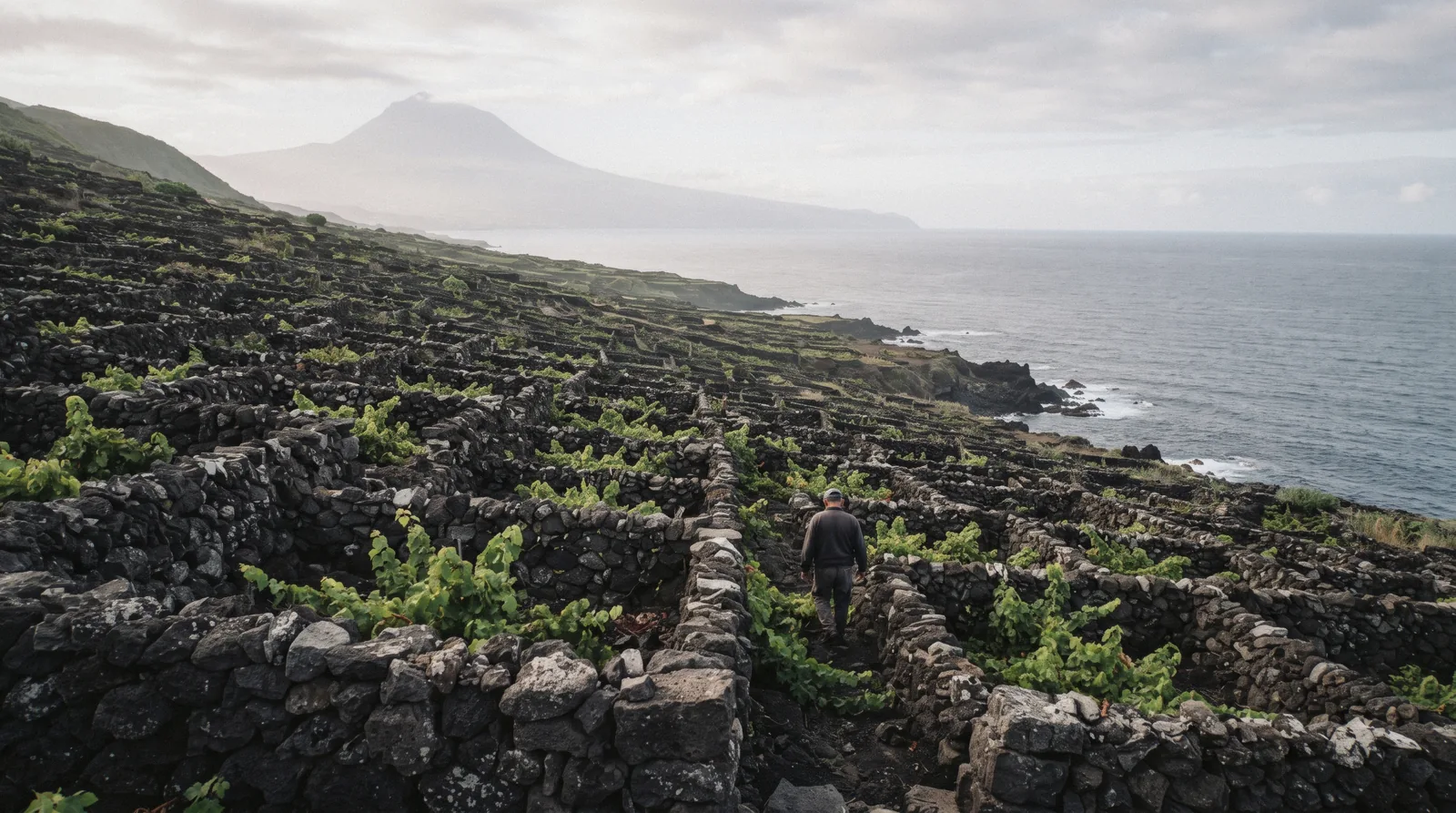
Azores vs Madeira: A Side-by-Side Built on Sources
The question of Azores vs Madeira is usually answered with adjectives. This page answers it with documents: every Azores figure below comes from an official source read during research, and every Madeira claim is flagged where no source was fetched. Start with the plan your trip hub and the full Guide to the Azores if the comparison lands on the Azores side. The comparison table below is the spine of the page: eight questions, one island answered from sources, the other answered with flags.
Quick answer Access, climate, whales, costs and the decision
On the documented record, the Azores are the choice for nature-first travel. Whale watching runs year-round with sightings on 98% of trips, two UNESCO World Heritage sites sit in the archipelago, and direct flights link Boston, New York, Toronto and Montreal. Madeira is not documented in this research, so the honest Azores vs Madeira comparison gives every Azores cell a source and every Madeira cell a flag.
Key takeaways
- A full-day all-in-one tour of São Miguel costs $91.83 for 8 hours and rates 4.9 from 184 reviews, see #tour-25.
- Whale watching runs all year, with more than 20 cetacean species and sightings on 98% of trips, details in whale watching.
- Money anchors that exist: Ponta Delgada's tourist tax is $2.29 (€2) a night capped at 3 nights, and VAT is 16% against the mainland's 23%, see Azores costs.
- No official Madeira-side source was fetched for this research, so the Madeira column carries no figures on purpose.
The Side-by-Side, Sourced on One Side
The Azores column is drawn from official pages checked during research. The Madeira column is deliberately marked where no source was fetched, because no official Madeira-side source was read for this research.
| The question | Azores, sourced | Madeira, flagged |
|---|---|---|
| Getting there | Direct from Boston, New York, Toronto, Montreal, Hamilton/Bermuda, Lisbon, Porto, Faro, Barcelona, Paris, Madrid, Frankfurt and Berlin | No route list fetched for this research |
| Flights from the other | Ponta Delgada-Funchal one-way from $91.70 (€80) | Funchal is Madeira's airport, so this fare is the bridge |
| Climate | 18.2 °C mean annual at Ponta Delgada, zero days at 30 °C, 122.3 rain days a year | Warmer and drier is the common claim, no official figure fetched here |
| Sea temperature | About 17-25 °C across the year near São Miguel | No figure fetched |
| Whales | Year-round, more than 20 cetacean species, sightings on 98% of trips | Not documented in this research |
| World Heritage | Two sites: Angra do Heroísmo (1983), Pico vineyard landscape (2004) | Not fetched for this research |
| Tourist tax | Ponta Delgada charges $2.29 (€2) a night, capped at 3 nights | Not researched here |
| VAT | 16% normal rate against the mainland's 23% | Same country, so the rate applies identically |
The Madeira column stays thin by design: an unsourced comparison is the failure mode this page exists to avoid. Money figures on this page in Q3 2026.
What Kind of Place Each One Is
The Azores are nine volcanic islands spread across hundreds of kilometres of Atlantic. Getting around them means three transport zones: a São Miguel base, the Faial-Pico-São Jorge ferry triangle, and flights beyond it. The islands sit one hour behind Lisbon, an offset taken from Wikipedia because no official source publishes it. Madeira, by the common picture, is one compact island with a warm south coast, and that description is not sourced in this research either.
The archipelago in numbers
Ferries serve ten ports, Horta, Madalena, Cais do Pico, Velas, Calheta, Angra do Heroísmo, Praia da Vitória, Vila da Praia, Santa Cruz and Vila do Corvo, and there is no São Miguel port among them, so the flagship island connects only by air. Island-hopping by sea is not a given. The full spread of islands is mapped in the islands overview and the Azores map.
| The Azores fact | The figure |
|---|---|
| Islands in the archipelago | 9 |
| Transport zones | 3 (São Miguel base, ferry triangle, flights beyond) |
| Ferry ports on the Atlânticoline network | 10 |
| Ferry ports on São Miguel | 0 |
| Time difference from Lisbon | 1 hour behind (Wikipedia offset, no official source) |
Access: The Flight Map Decides a Lot
SATA Air Açores and Azores Airlines sell direct tickets to Ponta Delgada from Boston, New York, Toronto, Montreal, Hamilton/Bermuda, Lisbon, Porto, Faro, Barcelona, Paris, Madrid, Frankfurt and Berlin. The Stopover scheme lets you break a North America-Europe trip with 1 to 7 days in the Azores at no extra airfare. Full route notes are in getting to the Azores.
Published routes, fares and the bridge to Madeira
The Ponta Delgada-Funchal fare is the only documented link between the two islands, and Funchal is Madeira's airport. Note that the fares page is a live snapshot, not a timetable, so year-round versus seasonal status is not stated.
| Route or scheme | The published fact |
|---|---|
| North America to Ponta Delgada | Direct from Boston, New York, Toronto, Montreal and Hamilton/Bermuda |
| Europe and Portugal to Ponta Delgada | Direct from Lisbon, Porto, Faro, Barcelona, Paris, Madrid, Frankfurt and Berlin |
| Ponta Delgada to Funchal (Madeira) | One-way from $91.70 (€80) for late-2026 dates |
| Ponta Delgada to Lisbon | One-way from $132.90 (€116) |
| Azores Stopover | 1 to 7 days in the Azores at no extra airfare on North America-Europe itineraries |
| Other North America routes | Boston also to Terceira, Santa Maria, Pico and Horta, plus Flores from Toronto, Montreal and Halifax |
Climate: What the Documents Actually Say
The Azores figures come from the IPMA 1991-2020 normals for the Ponta Delgada station, which IPMA notes is a hybrid series that can shift with quality-control updates. Madeira gets no numbers here: the warmer and drier claim is common, but no official figure was fetched for this research. Season-by-season detail is in Azores weather and the best time to visit.
The Ponta Delgada normals
Mean daily maxima run from 17.4 °C in February to 26.0 °C in August. The station records an average of zero days at or above 30 °C and zero frost days a year. Sea surface temperature near São Miguel averages roughly 17-25 °C across the year.
The sea runs coolest in March at about 16.6 °C and warmest in August at about 24.9 °C near São Miguel, quoted as means of daily maxima, so a 17-25 °C annual band is the honest summary.
| Measure | Azores figure | Madeira |
|---|---|---|
| Mean annual temperature at Ponta Delgada | 18.2 °C | No figure fetched |
| Mean daily maximum range | 17.4 to 26.0 °C | No figure fetched |
| Days at 30 °C or above | 0 per year on average | No figure fetched |
| Rain days of 1 mm or more | 122.3 per year | No figure fetched |
| Sea temperature near São Miguel | About 17-25 °C across the year | No figure fetched |
Whales: The Column That Settles Nature Trips
Visit Azores calls these waters one of the world's largest whale sanctuaries. Watching is possible year-round, with more than 20 cetacean species and sightings on 98% of trips. Operators are licensed under Decreto Legislativo Regional n.º 9/99/A, which regulates cetacean-watching activities and conduct at sea.
The sourced facts
Resident species include common and bottlenose dolphins. Blue whales are easiest at the end of winter, spotted dolphins and sperm whales in summer. Plan a trip with whale watching, or book the Lajes do Pico boat: #tour-17.
| The fact | The figure |
|---|---|
| Season | Year-round |
| Cetacean species | More than 20 |
| Sighting rate | 98% of trips |
| Legal basis for operators | DLR n.º 9/99/A licensing and conduct rules |
| Status of the waters | One of the world's largest whale sanctuaries, per Visit Azores |
UNESCO, Wonders and the Signature Sights
The Azores hold two UNESCO World Heritage sites: the central zone of Angra do Heroísmo, inscribed in 1983, and the Landscape of the Pico Island Vineyard Culture, inscribed in 2004. Lagoa das Sete Cidades is counted among the 7 Natural Wonders of Portugal on the official visitor-centre page. Pico mountain, at 2350 m, is the highest point of Portugal.
The documented list
Beyond the World Heritage pair, UNESCO biosphere reserves cover Corvo (2007), Graciosa (2007), Flores (2009), and the regional government counts four including the Fajãs de São Jorge. Read more under Angra do Heroísmo, Pico Island, Sete Cidades and São Jorge.
| Sight | The documented fact |
|---|---|
| Angra do Heroísmo, Terceira | UNESCO World Heritage central zone, inscribed 1983 |
| Pico vineyard landscape | UNESCO World Heritage, inscribed 2004 |
| Lagoa das Sete Cidades | Listed among the 7 Natural Wonders of Portugal on the official visitor-centre page |
| Biosphere reserves | Corvo (2007), Graciosa (2007), Flores (2009), plus Fajãs de São Jorge per the regional government |
| Pico mountain | 2350 m, the highest point of Portugal |
| The fajãs of São Jorge | Coastal platforms listed among the archipelago's distinctive volcanic features |
Money: The Anchors That Exist
Only a handful of Azores money figures come from official sources, and they are worth knowing before comparing islands. Ponta Delgada charges a tourist tax of $2.29 (€2) per guest per night, capped at 3 nights, for guests aged 13 and over. VAT runs at 4, 9 and 16 percent against the mainland's 6, 13 and 23. No official restaurant price list exists anywhere.
Sourced money anchors
Published entry fees range from free (Gorreana tea factory visits, Sete Cidades viewpoints, pineapple greenhouses) to $19.48 (€17) for an adult day ticket at Parque Terra Nostra. The full breakdown lives in Azores costs.
| Money fact | The figure |
|---|---|
| Ponta Delgada tourist tax | $2.29 (€2) per guest per night, maximum 3 nights, ages 13+ |
| VAT rates in the Azores | 4% reduced, 9% intermediate, 16% normal |
| VAT rates on the mainland | 6% reduced, 13% intermediate, 23% normal |
| Published entry fees | From free up to $19.48 (€17) |
| Restaurant price lists | No official list exists anywhere |
What Nine Islands Offer That One Island Cannot
The structural difference between the two destinations is archipelago scale: Madeira is one island, the Azores are nine, and each has a documented signature. This is what a two-island, three-island or five-island Azores trip buys that a single-base week cannot.
The central triangle and Terceira
Pico has the vineyard World Heritage landscape and the 2350 m mountain. Faial has the Capelinhos volcano, the last eruption in the Azores, and the sailors' bar Peter Café Sport in Horta. São Jorge has the fajãs and the 9.3 km Serra do Topo to Fajã dos Cubres trail, 2h30, medium. Terceira has UNESCO-listed Angra do Heroísmo and the 338-step volcanic chimney of Algar do Carvão.
The far islands
Graciosa's Furna do Enxofre hides a dome 40 m high and a lake reached down a 183-step spiral staircase. Flores counts almost twenty waterfalls on its northern coast, one 300 m tall, and holds Ilhéu de Monchique, the westernmost piece of land of the European Continent. Corvo is the smallest island at 17.1 km² with 430 residents, its Caldeirã crater 2.3 km across and 305 m deep. Santa Maria is the oldest island, with the clearest beach of the Azores and the chapel where Colombo attended Mass in 1493.
The Table: Tea, Wine, Pineapple and a Stew Nobody Times
Food is where island comparisons get passionate, so here the page stays disciplined. Every item below is documented on an official page, and the Madeira column stays empty because no Madeira source was fetched.
The documented Azores plate
Cozido das Furnas, the stew cooked by volcanic heat in the Furnas caldeiras, is the famous dish, and the honest footnote is that no official source publishes who cooks it, at what depth or for how many hours: those figures circulate only in media sources. Tea grows at Gorreana, producing since 1883 and claimed as Europe's oldest plantation on its own site, with free self-guided visits. Pineapples carry the PGI Ananás dos Açores, produced only on São Miguel, with free visits at the Arruda and Boa Fruta greenhouses.
Wine comes from the Pico currais, the basalt-walled vineyard squares of a World Heritage landscape.
What that column is worth in the comparison
A food tradition you can visit for free, from factory to greenhouse, is a documented differentiator: the tea circuit and both pineapple plantations cost nothing to walk. The Madeira table, table and cellar scene is famous in general terms, but none of it is sourced here, so the page leaves that cell blank rather than fill it with travel-brochure copy. Eat your way through the islands with azores food and the restaurant-finding guide at where to eat.
The sourced list
The rows below are the whole documented food column for this comparison, each traceable to an official page or a regional facts pack, with the Madeira row left deliberately blank.
| Item | The documented fact |
|---|---|
| Cozido das Furnas | Cooked by geothermal heat in the Furnas caldeiras, no official figure for depth or hours |
| Gorreana tea | Producing since 1883, claimed oldest plantation in Europe, visits and tastings free, no booking |
| Pineapple PGI | Ananás dos Açores is produced only on São Miguel, greenhouse visits free at Arruda and Boa Fruta |
| Pico wine | Grown in the currais of the UNESCO-listed vineyard landscape, inscribed 2004 |
| Madeira wine and cuisine | Not fetched for this research, so no figures printed here |
Getting Around After You Land
The Azores transport picture is zone-based, and Madeira transport was not researched here, so that half of the comparison stays flagged. On São Miguel there is no ferry at all: boats run only the Faial-Pico-São Jorge triangle, and every other inter-island move is a SATA or Azores Airlines flight.
The documented state of each option
Atlânticoline publishes no static fares, only a dynamic search tool. Bolt lists only Bolt Food for Ponta Delgada, so there is no ride-hailing. The one tourist-built bus service is the Fogo shuttle: $9.17 (€8) for non-resident adults, running 1 August to 30 September 2026.
See getting around and the Azores without a car.
| Option | The documented state |
|---|---|
| Ferries from São Miguel | None. The triangle-only network serves 10 ports, none on São Miguel |
| Inter-island flights | SATA Air Açores and Azores Airlines connect the islands beyond the triangle |
| Ferry fares | Atlânticoline publishes no static fares, only a booking search |
| Ride-hailing | None listed. Bolt in Ponta Delgada shows only Bolt Food |
| Fogo shuttle | $9.17 (€8) non-resident adult, 1 August to 30 September 2026, hop-on hop-off |
The Beach Question, Answered From the Sources
Comparisons default to beaches, so here is everything the official record says about swimming and sand in the Azores, without padding. The short version: the Azores are a swimming archipelago more than a sunbathing one, and the best documented sand is on its oldest island.
The documented sand
VisitAzores calls Praia Formosa on Santa Maria the clearest beach of the Azores, a white-sand strand below the São João Baptista Fort, and the island's dry warm climate earned Santa Maria the nickname Island of the Sun. It is also the first island to have formed, about 10 million years ago, which is why it alone holds sedimentary beaches in the archipelago. Read the island page at Santa Maria.
The documented swims
The islet of Vila Franca do Campo offers a protected salt-water lagoon with snorkelling and mask rental at the ticket office, in a season that ran 12 June to 11 October 2026 under strict caps: 400 visitors a day, 200 on the islet at once. The natural pool at Ponta da Ferraria is a low-tide swim in water above 30 °C. The ocean pool at Poça da Dona Beija and the Terra Nostra tank are thermal, at around 39 °C and 38-42 °C. Swimming in Lagoa do Fogo itself has no published rule either way.
The Madeira half of the beach question
No official Madeira-side source was fetched for this research, so this page carries no Madeira beach figures on purpose. The qualitative claim that Madeira is the warmer, beach-adjacent choice stays unquantified here, and that is the honest state of the record. See azores weather for what the Azores side publishes.
The Decision, Stated
If the trip you want is nature-first, meaning whales, craters, thermal water and vineyard World Heritage, the sourced record puts the Azores first. That is the whole verdict the documents support. A warm single-base beach-and-levada trip may fit Madeira better, and this page carries no Madeira figures to argue it either way.
Match the trip to the record
The cheapest way to sample the Azores case is a day tour: whale watching from Ponta Delgada costs $80.35 (#tour-16) and the all-in-one São Miguel day costs $91.83 for 8 hours, rated 4.9 from 184 reviews, at #tour-25. Build the rest of the week with plan and the islands. Whichever way the decision falls, the honest next step is the same: read the island pages, price the flights from your own city, and let the documented figures rather than the forum adjectives close the argument.
| Your trip is | What the sources support |
|---|---|
| Whales and marine life | Azores: year-round watching, 20+ species, 98% sighting rate, licensed operators |
| Volcanic landscapes and thermal bathing | Azores: Sete Cidades and Lagoa do Fogo crater lakes, thermal pools at Caldeira Velha, Terra Nostra and Ferraria |
| World Heritage and slow sightseeing | Azores: Angra do Heroísmo and the Pico vineyards, plus Pico mountain at 2350 m |
| Warm single-base beach and levada trip | May fit Madeira better, but no Madeira figures were fetched to argue it |
Two Days That Show the Azores Case
If the comparison above lands on the Azores side, these two days are the cheapest way to test the documented claims yourself: one day across São Miguel's volcanic highlights, one morning on the water where the 98% sighting rate comes from.
 from $91.83
Small group
from $91.83
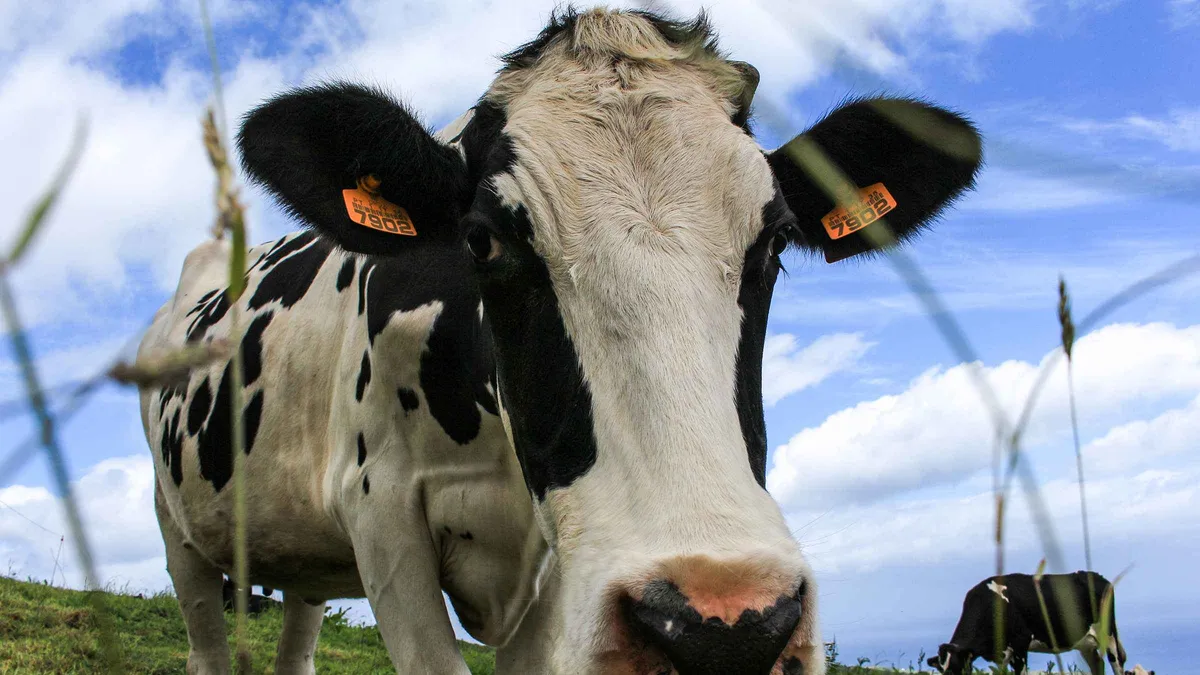
Small group São Miguel Island: Full Day All-in-One Tour
A one-day greatest-hits lap of Sao Miguel capped at 15: Vista do Rei, the Santa Iria viewpoint, a tea plantation, Furnas stew and more, with hotel pickup. Entrance fees at Furnas Lake and the stew meal are included. Good for short-stay travelers who want the island's highlights distilled into a single efficient day.
Check Availability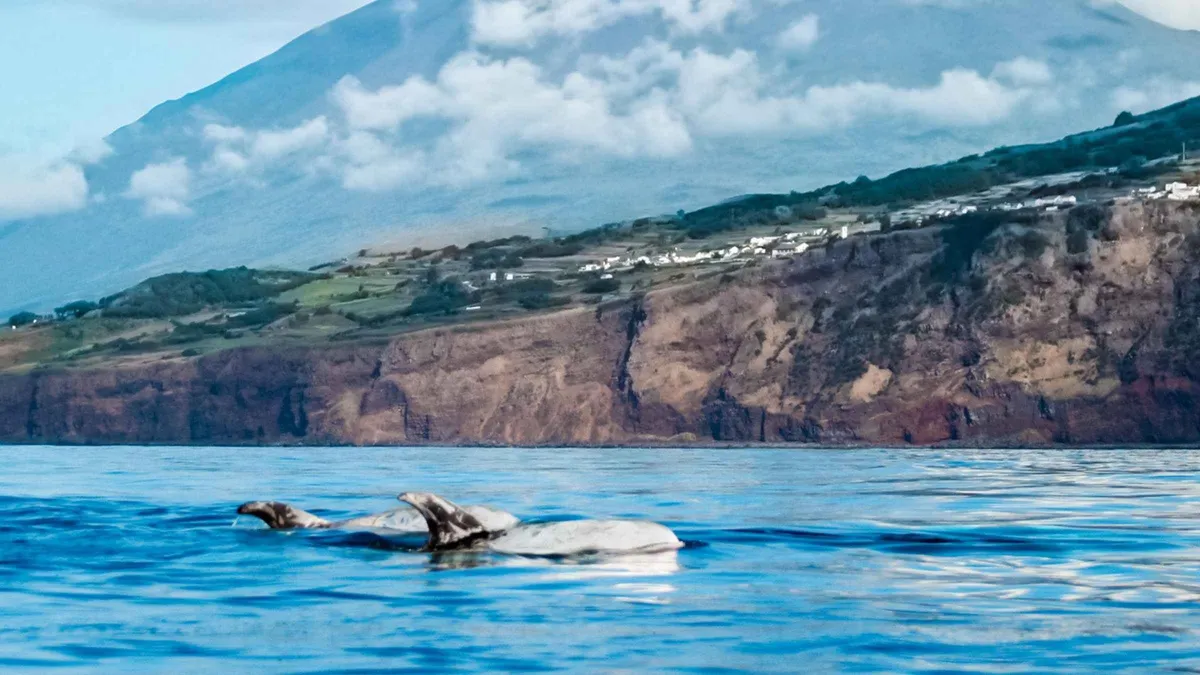 from $80.35
Pico Island: Whale Watching Experience from Lajes do Pico
A guided zodiac whale watching trip from Lajes do Pico with certified nature guides and marine biologists on board. Children under eight, pregnant travelers and people with back or heart problems are not admitted, and departures depend on weather and sea conditions. Good for travelers staying on Pico who want whale watching with expert eyes on board.
Check AvailabilityPrices, ratings and details are the platform's own. dollar figures are the listed prices — the platform bills in your account's currency.
If the Comparison Continues
Azores Costs
Every money anchor on this page, expanded into day budgets and fee tables.
Azores Safety
The documented rule set that comes with an Azores trip, from 112 to venue caps.
Azores Without a Car
The no-car playbook for the island where the buses, shuttle and tours run.
The Islands
All nine, compared, because the Azores side of this comparison is an archipelago.
Getting to the Azores
The flight map, the Stopover scheme and the Funchal bridge fare.
Is it better to visit the Azores or Madeira?
On the documented record, the Azores are better for a nature-first trip: year-round whale watching with sightings on 98% of trips, two UNESCO World Heritage sites, and direct flights from Boston, New York, Toronto and Montreal. No official Madeira-side source was fetched for this research, so any Madeira-side verdict would be unsourced.
What is better, Madeira or the Azores?
Same question, other side of the coin. Read the comparison table above: every Azores cell carries a source and every Madeira cell carries a flag. Choose the Azores when the sourced cells match your trip, and accept that the Madeira case cannot be argued from documents here.
Which Portuguese island is the most beautiful?
No official ranking exists. The Azores alone offer nine distinct islands, from São Miguel's crater lakes to Flores' waterfalls, compared in the islands guide. Beauty is not a documented figure, so no source can settle it.
Is Azores very expensive?
The sourced anchors do not support a yes-at-all-costs or no-it-is-cheap claim. Ponta Delgada charges a $2.29 (€2) tourist tax per night capped at 3 nights, VAT is 16% against the mainland's 23%, and published entry fees run from free to $19.48 (€17). No official restaurant price list exists anywhere. Details in Azores costs.
Can you visit both the Azores and Madeira in one trip?
Yes, on the documented bridge: Azores Airlines sells Ponta Delgada-Funchal one-way from $91.70 (€80) for late-2026 dates, and the Azores Stopover scheme adds 1 to 7 days in the Azores at no extra airfare on North America-Europe itineraries. Route details in getting to the Azores.
Which is easier to get around without a car?
Only the Azores half is documented here. São Miguel has a bus network under the MobiAzores brand, the seasonal Fogo shuttle at $9.17 (€8), and plenty of day tours, but no ferries from São Miguel: boats run only the Faial-Pico-São Jorge triangle and other inter-island moves are flights. The practical playbook is in the Azores without a car.
Azores vs. Madeira: Which Portuguese Island is Better?
The comparison this page answers with sources.
Video: HR VIRTUAL TOURA Week in the Azores Islands
One week of Azores travel to weigh against the documented record.
Video: ExpLauraThe Truth About Surfing the Azores and Madeira in Summer
Both islands' Atlantic faces, from a professional surfer.
Video: Nic Von RuppWe may earn a commission if you book through one of our links, at no extra cost to you. Full affiliate disclosure