 Guide to the Azores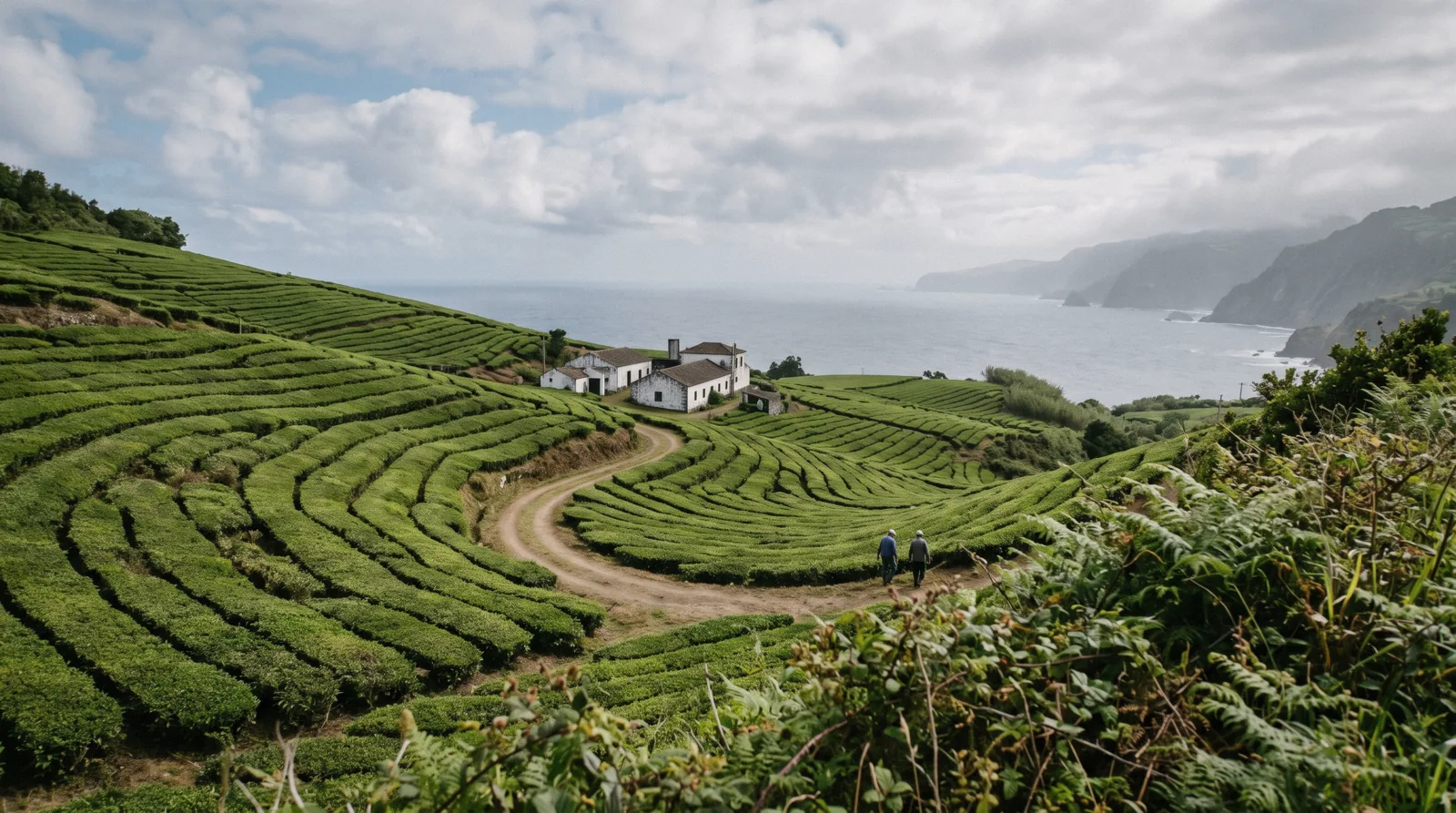
Gorreana Tea Plantation: Free Factory, No Published Hours
The Gorreana tea plantation, which the company claims has produced tea since 1883, is the rare sight that is genuinely free: the official visit page states that visits and tea tastings are free and need no reservation, and that you can walk the plantations freely. What the same site does not publish is any opening hour, any machine-running day, any parking note or any visit duration, and this guide is built around that gap. Below, the named rooms of the factory circuit, the company's own 1883 claim with its attribution, and the north-coast pairings that make the stop worth the drive. Start with things to do in the Azores for the island's shape, and the Guide to the Azores is the site's front door.
Quick answer Visits and tea tastings at the Gorreana tea factory are free and need no booking or reservation, per the official visit page, which also invites visitors to walk the plantations freely. The same site publishes no opening hours and no machine-running days, so timing is the one thing you cannot plan from the official record. The company claims production since 1883 and the 5th family generation, and claims organic certification on its FAQ page.
Visits and tastings at the Gorreana tea factory, which the company claims has produced tea since 1883, are free and need no booking or reservation, per the official visit page, which also invites visitors to walk the plantations freely. The same site publishes no opening hours and no machine-running days, so timing is the one thing you cannot plan from the official record. The company claims the 5th family generation and organic certification on its FAQ page.
Key takeaways
- Short of a car? The Furnas and tea plantation day tour bundles the stop with the Furnas valley in 8 hours.
- The plantation sits on the north coast, and the Ribeira Grande guide covers the municipality it belongs to.
- Tea is one thread of the island's table: the Azores food guide puts it in context.
- A rental car is the practical way in, and the car rental guide covers the practicalities.
Key facts
Opening hours
| No hours table exists: gorreana.pt carries no opening hours on its homepage, visit page or FAQ | not stated–not stated |
|---|
Admission
- Adult
- Free. The official visit page states visits and tea tastings are free and need no reservation
- Free
- The self-guided factory circuit, the museum room, the tastings at the tea bar and walking the plantations
Planning it
- Time needed
- Not stated on gorreana.pt. The circuit is self-guided, so visitors set their own pace
- Address
- Plantações de Chá Gorreana, 9625-304 Maia, São Miguel
The rows below set the free official visit against the two guided days that bundle the plantation with the rest of the island, with official facts from gorreana.pt and tour prices from the platform this site compares.
Are you paying for the tea, or for the transport and the guide that gets you to the plantation?
| Option | Price | Includes | Booking | Book |
|---|---|---|---|---|
| Factory visit, museum and tastingsAnyone driving the north coast, no ticket exists | Free | Self-guided circuit through the working rooms, the museum, tastings at the tea bar and free access to the plantations, no reservation needed | Nothing to book, no reservation taken | Official site |
| Furnas volcano and tea plantation tour with lunch, 8 hoursVisitors without a car who want the plantation plus the Furnas valley and its stew in one guided day | $91.83 | Guided day covering the Furnas volcano and Europe's oldest tea plantation, per the tour's own listing | Per the platform's policy | Check Availability |
| Private full-island tour with lunch, 8 hoursSmall groups who want the whole island privately, tea fields included | $227.28 | Private day listing the tea plantation among its stops, guide and transport for your group | Per the operator's policy | Check Availability |
Tea prices at the Loja shop are not published in any official source this guide uses, so the shopping bill is the one number this table cannot carry. The free rows above were re-checked against the official visit page in Q3 2026
Guided Days That Include The Plantation
Gorreana itself needs no tour, since the factory visit is free and self-guided. These two days earn their price by bundling transport, guide and the rest of the island, and the prices and ratings below are the platform's own.
 from $91.83
Small group
from $91.83
Small group São Miguel: Furnas Volcano & Tea Plantation Tour with Lunch
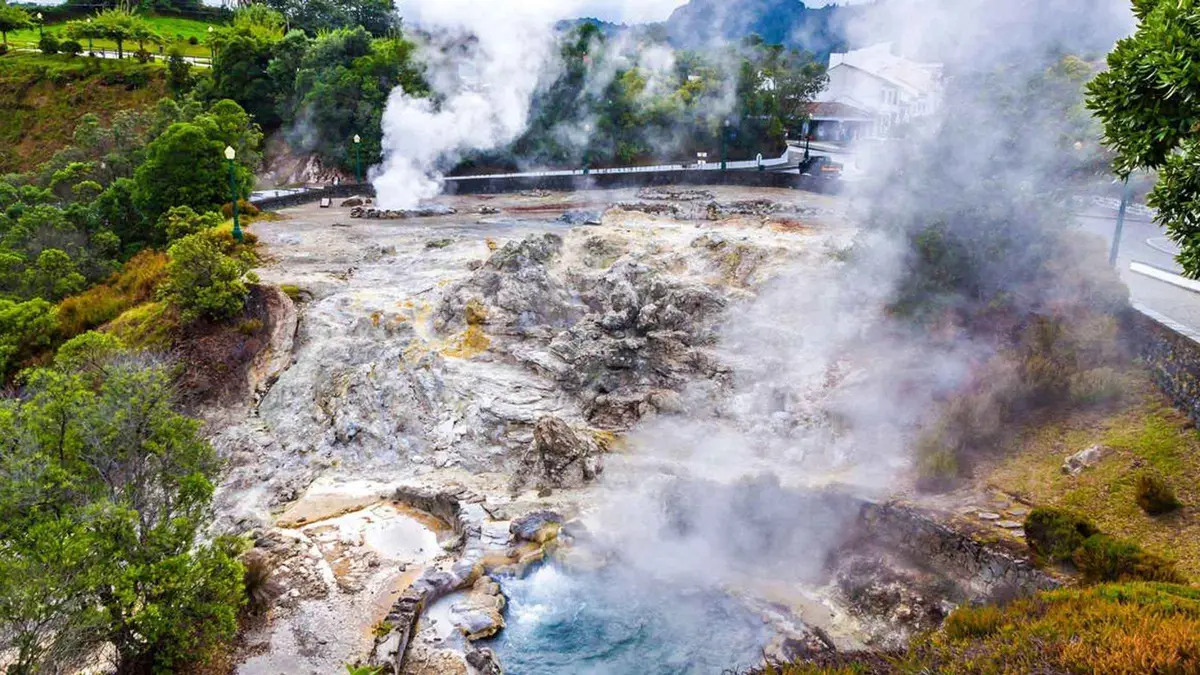
A full-day Furnas tour with a certified guide that adds Europe's oldest tea plantation and a taste of cozido cooked by volcanic heat, with the Terra Nostra Garden and thermal pools entrance fee covered. Groups are capped at eight and hotel pickup is included. Good for travelers who want the classic Furnas day with food and tea built in.
Check Availability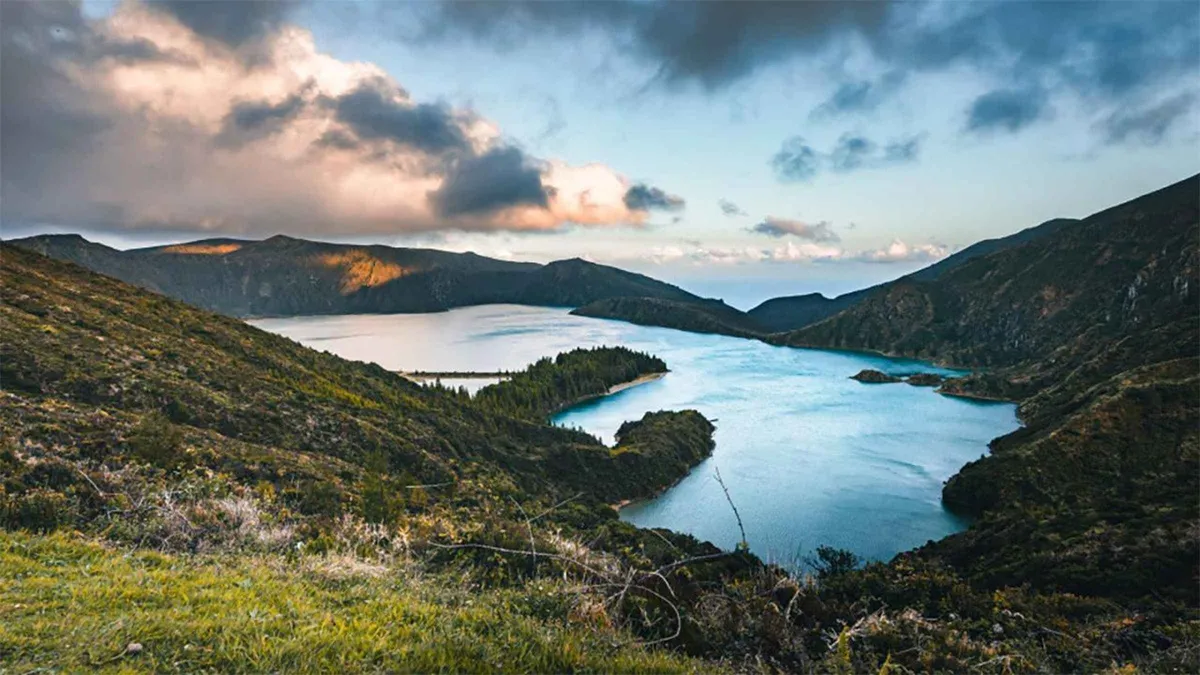 from $227.28
Private tour
from $227.28
Private tour Azores: Private tour to All São Miguel island with lunch
A private one-day sweep of the whole island by SUV with a certified guide, from the Sete Cidades and Fogo lakes to the Ribeira dos Caldeiroes waterfalls, Furnas and a lunch buffet, with skip-the-line access through a separate entrance. The itinerary and group size can be customized on request. Good for travelers who want everything in one day and are willing to pay for privacy.
Check AvailabilityPrices, ratings and details are the platform's own. dollar figures are the listed prices — the platform bills in your account's currency.
History Guide: One Family's 1883 Claim
The company's own visit page makes a three-part claim: that Gorreana is the oldest tea plantation in Europe, that it has produced tea since 1883, and that it is now run by the 5th generation of the same family. This guide attributes every part of that line to the company, because no independent source and no official regional source in this guide's research repeats it. That does not make the claim false.
It makes it a company claim, and a reader deserves to know the difference between what a business says about itself and what a public record confirms. The same caution applies throughout this page, where the wording of the official visit page is quoted carefully rather than expanded on.
What the official record does say is simpler and more useful for a visitor. The factory still works, and the self-guided circuit runs through the named production rooms of a classic tea line, from withering through rolling, oxidation, sterilising and drying to sorting and packing. That working line is the industrial history you actually walk through.
The rooms are labelled in the factory, so the process explains itself in the order the leaf moves. A visit is therefore not a display about tea making but the machinery of tea making, arranged so that anyone can follow it without a guide or a ticket.
The honest gap is this: no founding documents, no history timeline and no dates beyond the company's own claim are published on gorreana.pt. The site is silent on the generations before the current one, on how the plantation survived, and on how production changed. So treat the visit as a working factory rather than a museum narrative, and read the 1883 line for what it is, the company's own story of itself.
For the wider setting, the Ribeira Grande guide covers the municipality this plantation sits in, a north-coast landscape shaped by the same farming and emigration history.
What To See Guide: The Rooms Of The Circuit
The visit page names the rooms of the self-guided circuit in production order, and each one is labelled in the factory.
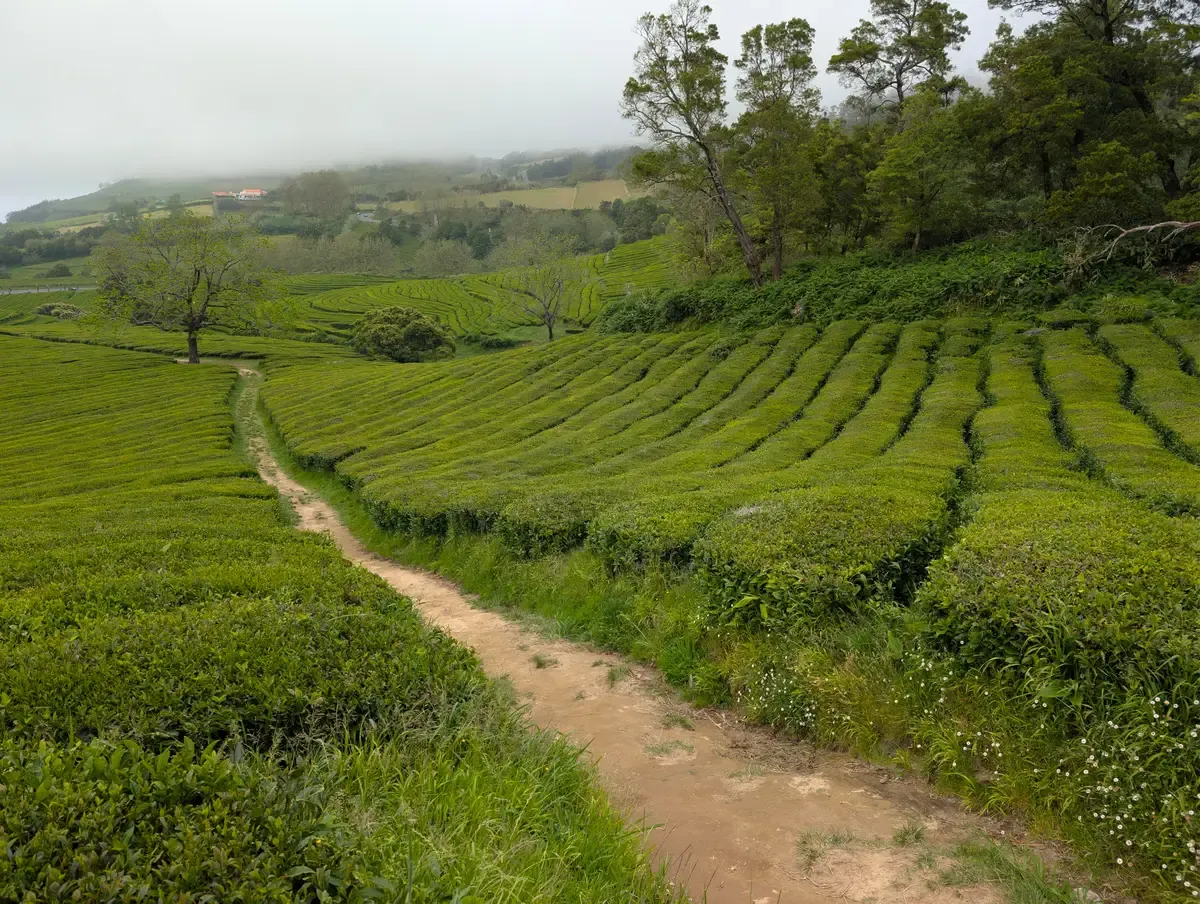
Photo: Krzysztof Ziarnek, Kenraiz, CC BY 4.0, via Wikimedia Commons
Withering And Rolling
The circuit opens with the Sala de Murchamento, the withering room, and the Sala dos Enroladores, the rolling room. Withering is where the freshly picked leaf is spread out and dried down, losing water and softening so it can be worked without shattering. Rolling then breaks the leaf cells and twists the leaf, starting the chemistry that gives tea its colour and flavour.
These are the first two rooms of the visit page's list, and they set the pattern for everything after: plain rooms, working machinery, a label on the wall. Because the circuit is self-guided, you can stand as long as the smell of warm leaf holds you. There is no guide to hurry you and no ticket to time you.
Oxidation, Sterilising And Drying
Next come the heat rooms: the Sala de Oxidação, the Sala de Esterilização and the Sala de Secagem. Oxidation is the step that turns green leaf into black tea, as the exposed leaf darkens and develops its character. Sterilising and drying then stop that process and fix it, driving out the remaining moisture so the tea keeps.
These are the rooms where colour and shelf life are decided, and they are also the warmest part of the walk. One practical line matters here: these are working rooms, and the circuit runs through the factory, not around it. Expect industrial noise, heat and the smell of a production line, and read the room labels in the order the visit page gives them.
Sorting And Packing
The last production rooms before the shop are the Sala da Moínha, the Sala dos Peneiros, where sorting happens, and the Sala dos Pacotes e Embalamento, the packing room. Sorting grades the made tea by particle size, which is what separates a fine whole-leaf grade from a broken or fannings grade in the trade. Packing is where the finished tea is sealed into the packages sold at the end of the circuit.
By this point the walk has covered the whole line from wet leaf to sealed box, in the same order the visit page lists it. It is a compact lesson in how a batch of tea becomes a product, and it needs no prior knowledge to follow.
Museum, Shop And Tea Bar
The circuit ends with three rooms that are not production: the Sala de Exposição museum, the Loja shop and the Sala de Degustação tea bar, where the free tastings happen. The museum room gives you the display side of the story, the shop sells the output, and the tea bar lets you taste the whole range for nothing before you decide what to carry out. This is also the room to ask about anything the website does not publish, and that list is long.
Ask here about today's hours, whether the machines are running, how long a visit usually takes and where to park. The staff at the bar can settle in one minute what gorreana.pt never states, so use them.
Hours And Crowds Guide: What The Site Does Not Say
The headline finding of this page is negative, and it should be said plainly. Gorreana.pt publishes no opening hours at all. Not on the homepage, not on the visit page, not on the FAQ.
There is no hours table, no seasonal schedule and no holiday notice anywhere on the site this guide could read. That means the single most basic planning fact for a free attraction, the question of when the doors are open, cannot be answered from the official record. Anyone who tells you a precise opening time is quoting something the company itself does not state, so treat such figures with suspicion and confirm on the ground.
The second finding is close behind. The days when the machines actually run are not stated either, so the free factory circuit can mean different things on different days. On a production day you walk through moving machinery, noise and the smell of the line.
On a non-production day you read the same rooms more like a museum, labels and still machines. Old reports say production stops at weekends, but that appears nowhere official, so this guide treats it as unverified rather than repeating it as fact. The honest way to settle it is the telephone: the number published on the visit page is +351 296 442 349, and one call the day before answers what the website will not.
For the wider island rhythm, see the best time to visit.
Crowds are the third unpublished quantity, since no visitor counts exist in any official source. The practical pattern on this coast, though, is well known to anyone who drives it: coach parties work the north coast in waves from late morning, and at Gorreana the room that fills is the tasting bar, because that is where everyone converges for the free samples. The fields absorb people easily, and the rooms disperse quickly, so the squeeze is short and local.
A stop early in the day or late in the afternoon shares the tea bar with far fewer people and lets you ask your questions at the counter instead of waiting behind a queue. Plan the plantation around the coast road, not the other way round, and the crowds take care of themselves.
Directions Guide: The North Coast Between Ribeira Grande And Maia
The plantation sits at Maia on the north coast of São Miguel, and the address published on the visit page is Plantações de Chá Gorreana, 9625-304 Maia. For a stop like this, between the coast road and the fields, a rental car is the practical way in, and the Azores car rental guide covers pickup, insurance and booking in detail. One thing this page will not do is invent a journey time: no driving time or distance to the plantation is published by any official source this guide uses, so none is printed here.
Point the car at the published address and let the map app do the arithmetic on the day.
The absence of published detail continues at the gate. No parking arrangement and no parking price is published on gorreana.pt, so this page cannot describe a car park, a lot size or a fee, and you should not expect signage promises made in advance. Likewise, no GPS coordinates are published as text on the site, an address only.
The coordinates used on this page's map are map positions for orientation, not official published figures. These gaps sound small until you are the one standing in a lane wondering where to leave the car, which is exactly why they are listed here rather than papered over with recycled figures from other sites.
Car-free visitors need a different solution, because no bus route to the plantation could be verified from official sources, so this page will not name a line number or a stop. The practical answer is the guided day tour, which bundles the plantation with the Furnas valley, lunch and transport in one 8-hour day, and costs $91.83. If you would rather build your own car-free day, read getting around the Azores and the guide to the Azores without a car before committing, because both cover the realities of island transport that a single destination page cannot.
The Tea Guide: What You Taste And What You Buy
The tasting is free, and it happens at the Sala de Degustação tea bar at the end of the circuit. That single fact changes how you should approach the whole question of quality, because the factory hands you the decision for nothing. You walk the line, you reach the bar, you taste what they make, and you form your own view before any money changes hands.
No review, including this one, needs to tell you whether the tea is good when the producer lets you drink it for free. So the honest answer to the quality question is to visit, taste twice if you like, and let your own palate be the verdict.
The company's FAQ page claims organic certification for the plantation, and this guide reports it the same way it reports the 1883 line, as a claim from the company's own pages rather than a finding of its own. No certification document, certificate number or certifying body is published in the sources this guide uses, so the claim stands or falls on the company's word in the material it publishes. That is normal for a small family business and it is enough for most visitors, but a reader who cares about certified organic produce should know exactly where the statement comes from before repeating it as established fact.
Buying is straightforward: the Loja shop sits at the end of the circuit, after the museum and the tea bar, and it sells the production made in the rooms you just walked through. What it does not publish, anywhere in the official sources this guide uses, is a price list. No tea prices appear on gorreana.pt in any page this guide could read, so this page will not quote a shopping bill and you should budget nothing in advance.
Read the shelf, taste first at the bar, and decide on the spot. For where tea sits on the island's wider table, from cheese to stews cooked in volcanic soil, the Azores food guide is the companion read.
How Much Time To Give Gorreana
No visit duration is published on gorreana.pt, so the honest allowances below are our estimate. They are built around a self-guided circuit and a free tasting, not around any official figure.
Three Shapes Of A Stop
The allowances below are our estimate, because gorreana.pt publishes no visit duration for the circuit, the fields or the tea bar. They are built around a self-guided walk and a free tasting, and the only operator figure on the table is the guided day's own 8 hours.
| Routing | Allow | What it covers | What it skips | DIY alternative |
|---|---|---|---|---|
| Circuit sprint | 30 to 45 minutes (our estimate) | The named rooms end to end and one tasting | The fields, the museum wall | Free, walk in |
| Fields and factory | About an hour (our estimate) | The circuit, the tea bar and a walk into the plantations, which the visit page invites | A second north-coast stop | Free, pairs with the coast road |
| With a guided day | 8 hours (tour duration) | The Furnas valley and its food with the plantation stop | Time in the fields | Tour $91.83 vs private $227.28 |
Why A Free Stop Still Needs A Plan
The stop costs nothing but is timed by nothing, which is a stranger problem than a ticket price. No published hours and no machine days mean you cannot promise yourself a working factory until you are standing in it. The plan is therefore simple: a phone call ahead on +351 296 442 349 to ask about the day you intend to come, and a north-coast route that survives a closed door.
If the gate is shut, the same road serves viewpoints and coast stops, so the drive still pays for itself. Build the plantation in as a stop, not as the destination, and the missing hours stop mattering.
Timeline
-
1883
The company's visit page claims tea production at Gorreana since this year, and calls it the oldest tea plantation in Europe
gorreana.pt/visite-gorreana/, a company claim, not an independently verified date
-
Five generations
The same family's 5th generation is named as the current operator
gorreana.pt/visite-gorreana/, company claim
-
Organic era
The FAQ page adds a claim of organic certification
gorreana.pt/faqs/, company claim
-
Free-visit policy
Visits and tastings are free with no reservation, and the plantations are open to walk
gorreana.pt/visite-gorreana/, official wording
-
Today
The site publishes no hours table, no machine days, no parking note and no visit duration
checked directly against gorreana.pt
Sources: gorreana.pt visit page and FAQ page. The company's own claims are labelled as claims.
Do And Don't
Do
- Phone ahead on +351 296 442 349 the day before, because no hours are published.
- Taste before you buy, the tea bar is free.
- Walk into the fields, the visit page invites it.
- Ask in the tasting bar whether the machines are running today, and pair the stop with the north coast road so a short visit still earns the drive.
- Read the labelled rooms in production order, withering to packing.
Don't
- Don't expect a ticket office, nothing here is booked or paid.
- Don't trust weekend machine-running folklore, it appears nowhere official.
- Don't budget for entry, the visit is free per the official page.
- Don't plan a precise visit length, no duration is published.
- Don't treat the 1883 claim as our finding, it is the company's own line.
Five Things Most Visitors Do Not Know
The Short List
- The official hours simply do not exist: gorreana.pt carries no opening-hours table on the homepage, the visit page or the FAQ (gorreana.pt).
- The room names tell you the whole process: the visit page labels Sala de Murchamento, Sala dos Enroladores, Sala de Oxidação, Sala de Esterilização, Sala de Secagem, Sala da Moínha, Sala dos Peneiros and Sala dos Pacotes e Embalamento (gorreana.pt/visite-gorreana/).
- Reservations are not just unnecessary, they are not taken: the official wording says visits and tastings are free with no reservation needed (gorreana.pt/visite-gorreana/).
- The 1883 and organic-certification lines are the company's own claims, published on its visit and FAQ pages (gorreana.pt/visite-gorreana/ and gorreana.pt/faqs/).
- No GPS coordinates, parking arrangement or visit duration is published anywhere on the site (gorreana.pt).
Map: The Plantation On The North Coast
The pins are map positions for orientation, because the official site publishes no coordinates of its own.
Next
Ribeira Grande
The north-coast town and the municipality the plantation sits in: Ribeira Grande guide.
Same coast roadFurnas
The geothermal valley most tea-plantation day tours pair with it: Furnas guide.
East São MiguelPonta Delgada
The capital most island tours start from: Ponta Delgada guide.
South coast, the base townFAQ
Is chá Gorreana tea good?
The honest answer is that the factory hands you the decision for free. Tastings at the Sala de Degustação tea bar cost nothing and need no booking, per the official visit page, so you taste before any purchase and your own palate is the verdict. The company claims organic certification on its FAQ page, and this guide reports that as a claim, not a finding. No official source publishes a rating of the tea, and this guide invents none. For where tea sits among the island's cheese, stews and pineapples, read the Azores food guide before you shop.
Where can I buy Gorreana tea?
The Loja shop at the end of the factory circuit sells the production, and it is the only retail channel that appears in the official sources this guide uses. No other shops, websites or stockists are published by the company, so do not plan on finding it in a supermarket on the strength of this page. No tea prices are published in those sources either, which means no budget figure can be quoted here. Read the shelf at the shop and decide after the free tasting at the tea bar, as the tea guide on this page suggests.
What is Gorreana tea?
It is tea grown and made at the Gorreana plantation at Maia on São Miguel's north coast, in a working factory whose self-guided circuit runs from the withering room through rolling, oxidation, drying and sorting to packing, all visitable for free with no reservation. The company claims production there since 1883, run today by the 5th generation of the same family, and this page attributes both lines to the company's visit page rather than stating them as verified facts. The rooms of that circuit are described in the history section and the what-to-see guide above.
Are the Azores famous for tea?
Careful phrasing is needed. Gorreana calls itself the oldest tea plantation in Europe, and that is a company claim on its own visit page, not an independently verified ranking. What is fair to say is that it is the name that put São Miguel's tea fields on the map, and that the factory visit is free, which makes it one of the easiest food stops on the island. What no official source does is rank the island's food, so taste and decide for yourself. Start with Azores food for the wider table and things to do for the island's shape.
How much does it cost to visit Gorreana?
Nothing. The official visit page states that visits and tea tastings are free with no reservation, and that walking the plantations is free too. There is no ticket, no gate fee and no booking system. The only costs attached to the stop are transport, either a rental car or a guided day: the tour with lunch costs $91.83 for 8 hours and covers the Furnas valley as well as the plantation, while the private island day costs $227.28 for 8 hours for your own group.
Do the machines run when I visit?
Nobody can promise it from the published record, because gorreana.pt states no machine-running days anywhere. Old reports say production pauses at weekends, but that appears nowhere official, so this guide treats it as unverified rather than repeating it as fact. The practical fix is a phone call ahead on +351 296 442 349, the number printed on the visit page. The circuit is visitable regardless, so a non-production day still gives you the labelled rooms, the museum and the free tastings. More on this in the hours section.
Video Gallery
How Tea Is Made At The Oldest Tea Farm In Europe | Regional Eats
The production line the circuit walks you through, filmed end to end.
Video: Insider FoodEurope's Oldest Tea Plantation On The Azores, Portugal | Europe To The Maxx
The company's 1883 story on camera, useful context for the claim above.
Video: DW EuromaxxAZORES: Gorreana tea plantation & factory - São Miguel Island
A walk through the rooms and fields this page plans for you.
Video: Stuart's TRAVEL VIDEOSLinked as published on YouTube. We have no connection to these channels.
We may earn a commission if you book through one of our links, at no extra cost to you. Full affiliate disclosure